

Reason
Artificial intelligence
Stochastic inference, pattern discovery and multivariate predictive coordination across the entire portfolio.


Sector-specific failures often share a common constraint: insufficient continuous measurement and no reliable means of verifying the resulting claims. Ram Labs develops integrated systems across AI, quantum computing, verifiable compute, and spatial intelligence to address that constraint.
AI inference depends on the quality and provenance of its data. Distributed ledgers can attest to a claim but cannot independently observe the physical condition behind it. Quantum systems require scalable control and error correction. Important constraints now arise at the interfaces between disciplines, where data quality, provenance, computation, and physical observation must remain coherent.
Every handoff between organisations or technical layers can weaken context, provenance, and accountability. A carbon claim, for example, moves through measurement, verification, registry, settlement, and disclosure. The system is credible only when the original evidence and every subsequent transformation remain traceable.
Food security spans agronomy, logistics, finance, and climate modelling. Drug discovery spans molecular chemistry, computational simulation, experimental biology, and manufacturing. Effective programmes define these dependencies as one system while preserving specialist accountability within each discipline.
AI, verifiable compute, quantum systems, and spatial intelligence mature at different rates. A shared architecture allows near-term deployment work to proceed while longer-horizon components advance through explicit research and validation gates.
ABQS is the shared engineering substrate beneath every RAM LABS project. It is not a collection of independent modules. It is a tightly coupled architecture in which each layer supplies the empirical or computational foundation that the others cannot generate for themselves.
Stochastic inference, pattern discovery and multivariate predictive coordination across the entire portfolio.
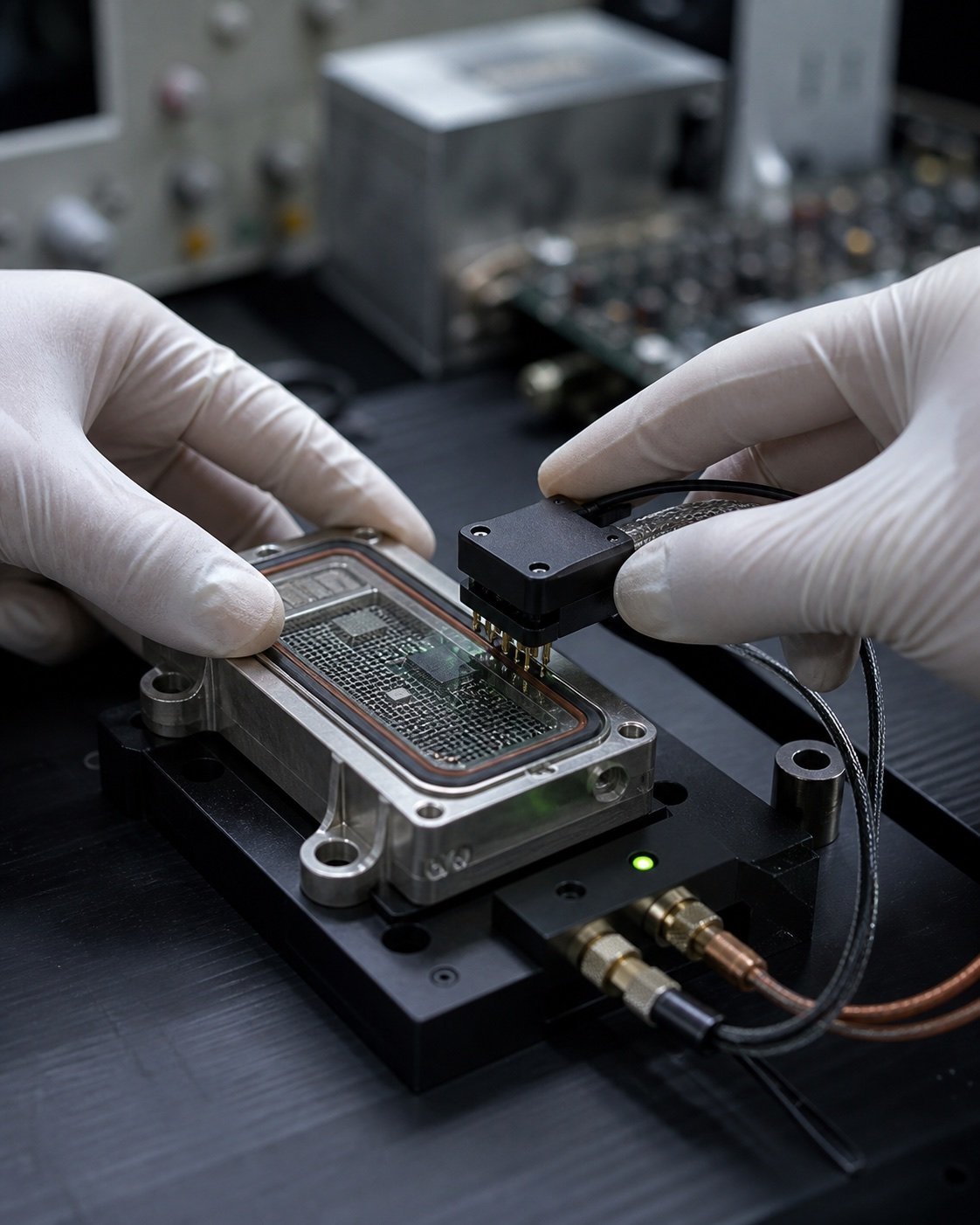
Cryptographic provenance, policy enforcement and settlement finality without trusted intermediaries.
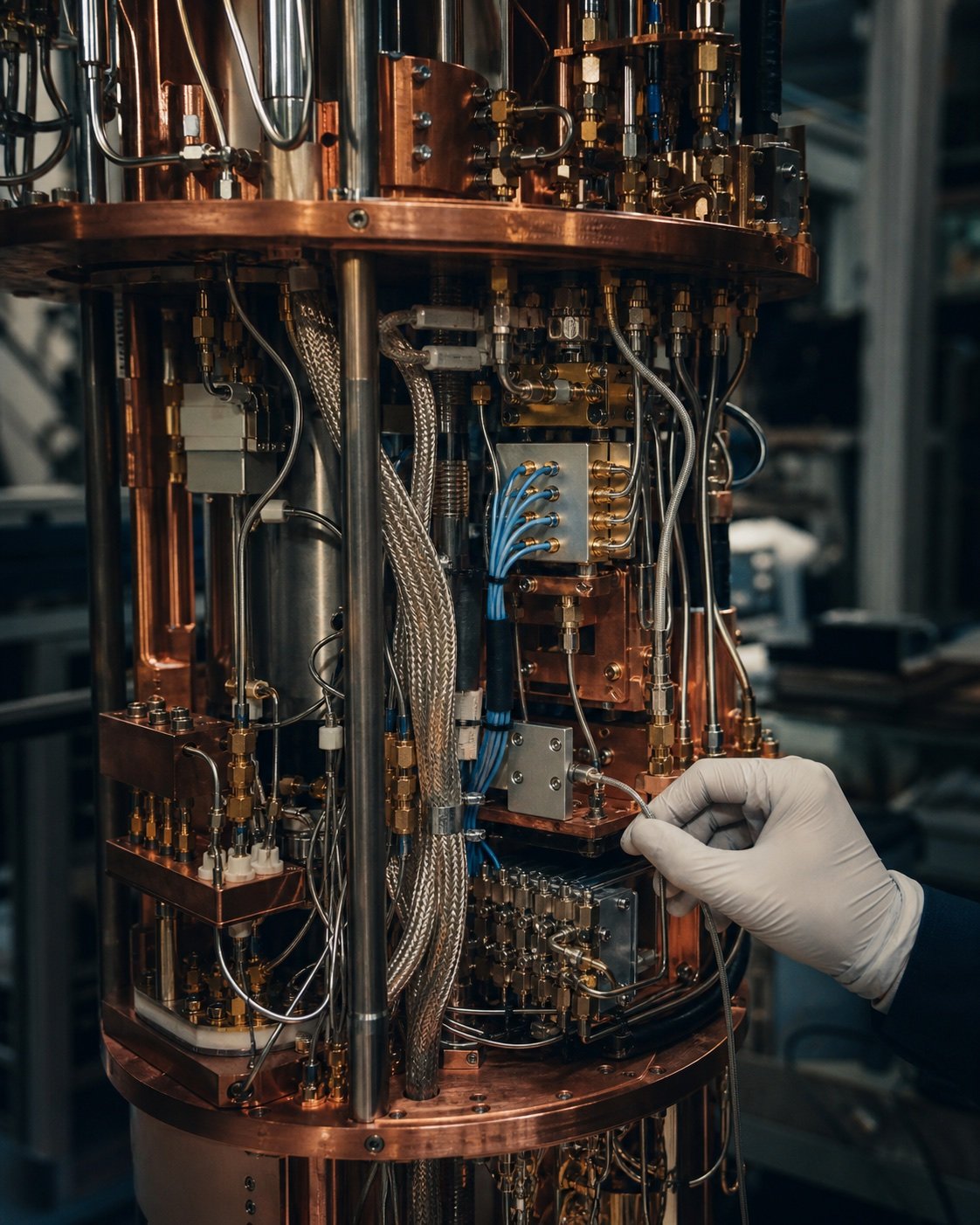
Simulation of molecular and material dynamics, and large scale optimisation beyond classical tractability.
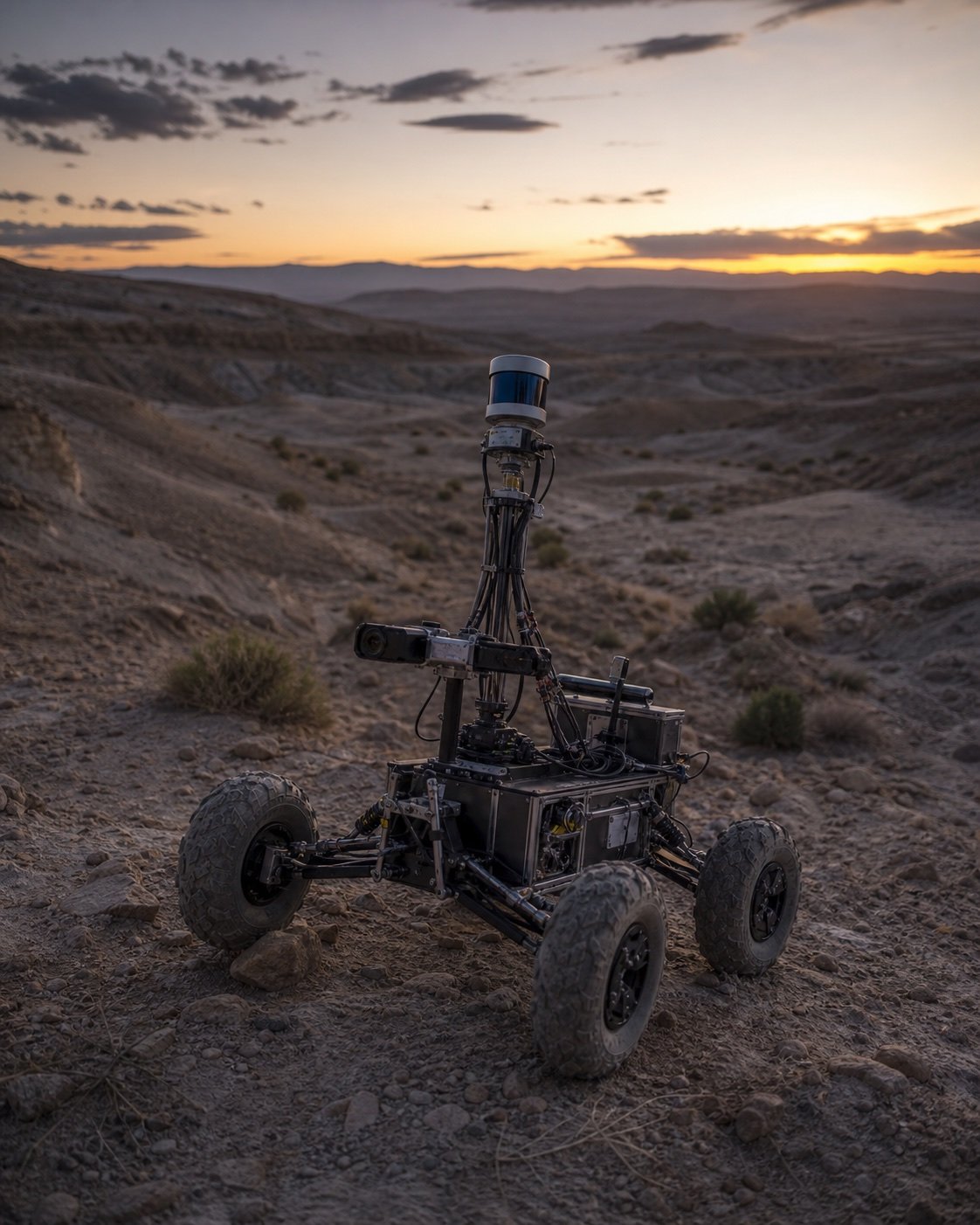
Continuous three dimensional sensing, digital twinning, and the grounding of abstract inference in measurable physical reality.
A model reasons. A ledger proves. A quantum system extends. Spatial observation grounds. The advantage is emergent, residing in the handoffs rather than the layers, and it compounds with every deployment.
The portfolio is designed around shared technical dependencies between projects.
The trust and attestation protocol developed for regulated AI decision making becomes the settlement backbone for infrastructure orchestration.
Verified carbon and environmental telemetry provides the foundational input required for dynamic grid optimisation.
The molecular discovery pipeline operates on Qontos hardware, inheriting its computational extension directly.
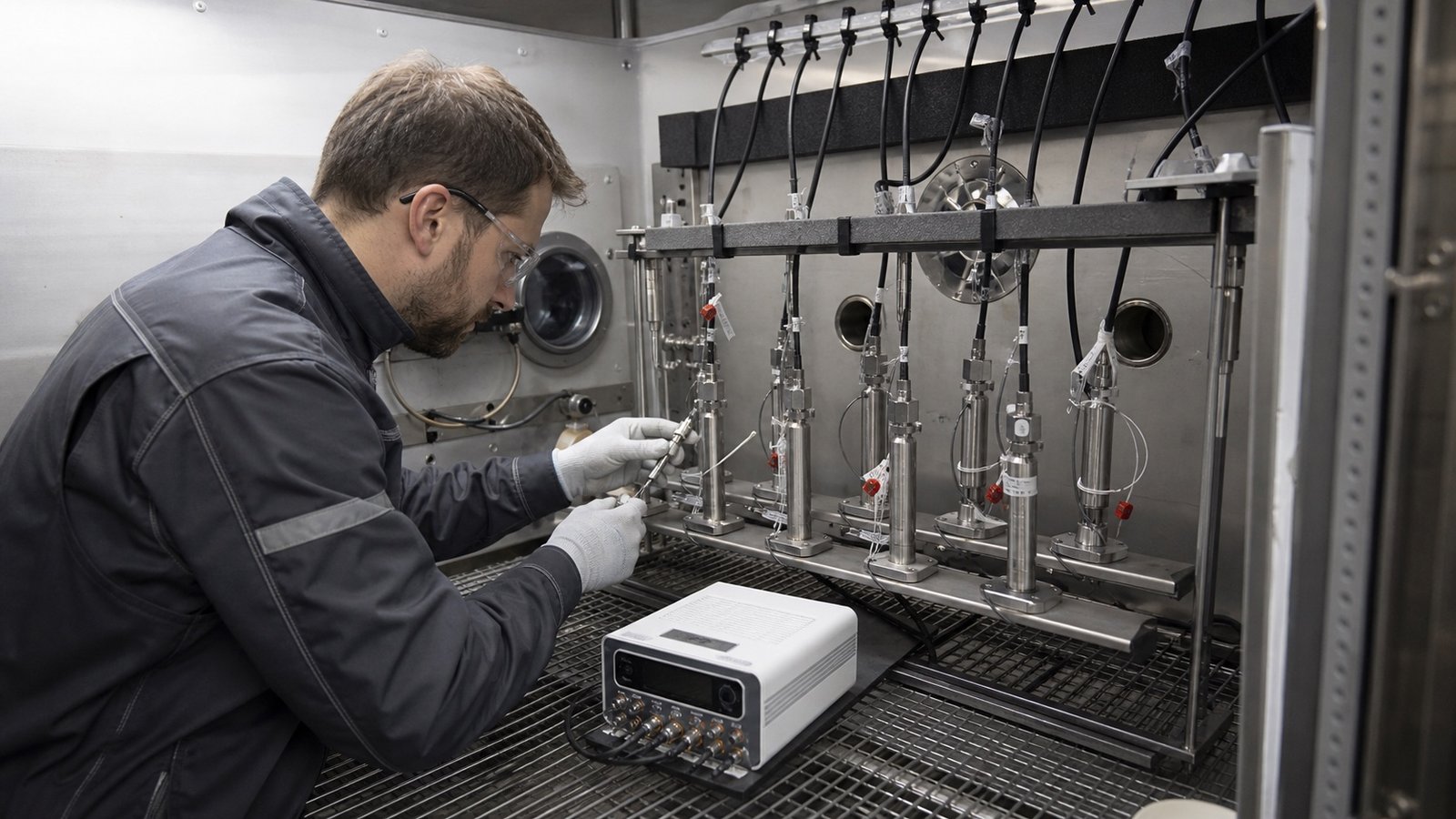
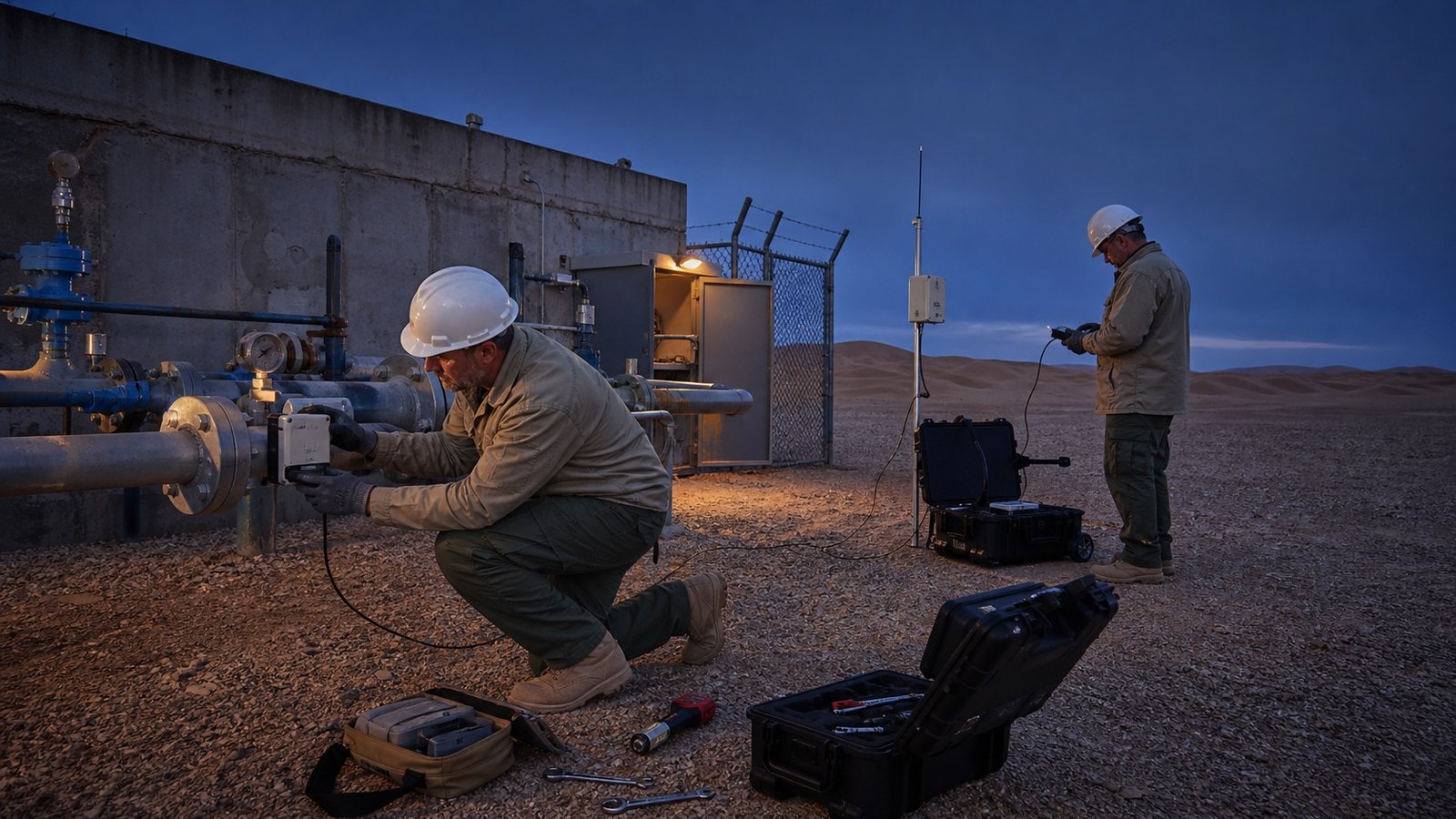
These dependencies preserve common interfaces, strengthen evidence continuity, and reduce duplicated engineering across the portfolio.
We commence from failures observed directly in the field, where the divergence between current capability and required outcome is structural, and where an order of magnitude improvement would be transformative. Problems addressable through conventional incremental refinement are excluded by design.
First-principles analysis and field work establish who bears the cost, which constraints are physical or institutional, what evidence is available, and which combination of disciplines the specification requires.
Research matures into architecture, architecture yields specification, and specification drives working hardware and software. Every project draws on the common ABQS foundation, so each deployment ships with greater efficiency and robustness than it could achieve alone. Every claim is tethered to empirical measurement before it is asserted publicly.
Institutional partnerships and bounded pilots evaluate performance under the physical, regulatory, and organisational constraints of the intended environment. Field evidence complements laboratory and analytical results.
Ram Labs works with research institutions, operators, and regulatory bodies on defined research and deployment problems. Enquiries should identify the system boundary, available evidence, and proposed basis for collaboration.